
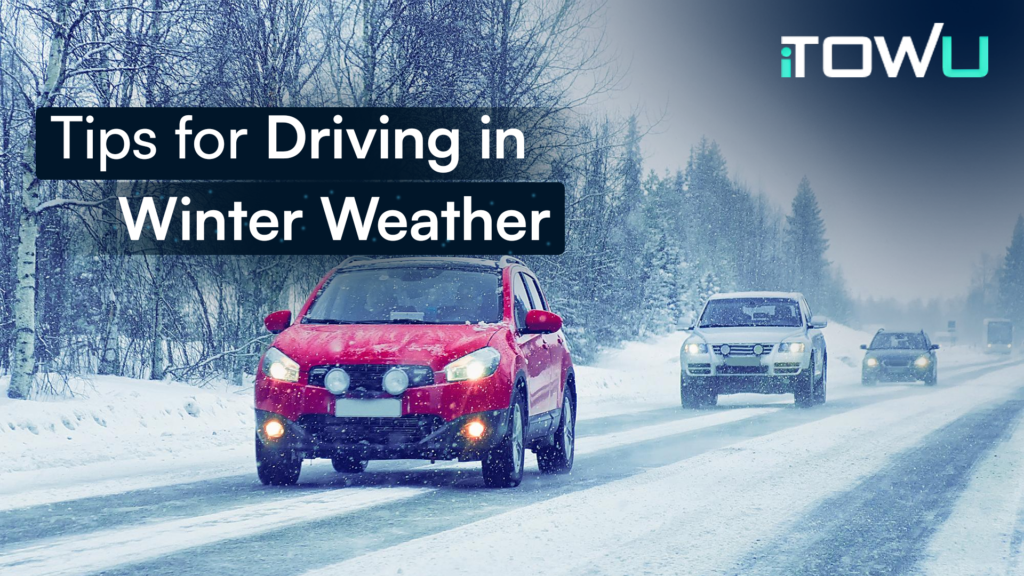
Cold weather brings beautiful snow, but it also brings tough driving conditions. The road surfaces change to become slick and unpredictable. That’s why driving in winter weather requires a special set of skills than driving in any other weather.
In the guide below, we’ll walk through some of the important winter weather safety driving tips to keep you safe in the cold.
Real Risks of Driving on Icy Roads
Before getting into the tips, it’s important to understand why driving on icy roads is so dangerous.
- Loss of traction: When ice starts forming, your tires lose their grip, and the car just doesn’t hold the road the way it should. It makes everything from steering, braking, and even accelerating feel much harder to control.
- Black ice hazards: Icy surfaces can be deceptively slick, especially black ice. It’s nearly invisible, so most drivers don’t even realize it’s there until the car actually starts to slide.
- Longer stopping distances: A lot of winter accidents happen simply because we underestimate how long it takes to stop. On icy roads, you have to remember it can take up to ten times longer to bring your vehicle to a complete halt.
- Reduced visibility: Between falling snow and general winter weather, visibility gets limited fast. It becomes a real struggle to see other cars, road markings, or sudden hazards popping up ahead.
- Skidding risk: With low traction and slow braking, even a slight turn or light tap on the brakes can cause a skid before you can react.
These risks are definitely serious, but understanding them is the first step. Once you’ve got the right safe driving practices down, you can navigate these icy conditions with confidence.
8 Tips for Safe Driving in Winter Weather
Driving safely in cold conditions isn’t about instinct; it’s about strategy. Winter roads demand a lot more patience, better planning, and much more precise control over your vehicle.
Tip 1. Use Threshold Braking on Ice
Most newer cars have ABS, but smooth braking still matters when it’s really slick outside. Instead of slamming them, try to apply steady pressure to slow down without locking your wheels. But if you feel the tires begin to slide, you should ease off slightly to keep them rolling, which helps maintain steering control.
Quick note: A locked wheel cannot steer you away from danger.
Tip 2. Slow Down and Stay Patient
The most important rule of winter driving is to reduce speed. Speed limits are meant for dry, clear roads, not for driving on a snowy or icy road. Snow and ice on the road increase the time your car needs to react, brake, and turn. It is why you should give yourself an extra 15–20 minutes to reach your destination so you’re not tempted to rush.
Tip 3. Use Engine Braking for Better Control
One practical winter driving tip is letting your engine help slow the vehicle. If your car has a manual mode or is a traditional manual, downshift into a lower gear when approaching a stop or descending a hill. This action, called engine braking, reduces reliance on the brake pedal and lowers the risk of sliding on icy roads.
Tip 4. Start in Second Gear on Slippery Surfaces
If your tires just spin when you’re trying to get moving on ice, try pulling away in second gear if your car lets you. Starting in a higher gear cuts down the torque going to your wheels, which helps them grip the road gently instead of just spinning in place.
Tip 5. Increase Your Following Distance
In normal weather, a three-second following distance between cars is fine. When driving on an icy road, you should increase that to eight or ten seconds. That extra gap acts as a safety cushion, giving you the breathing room you need to react if the car in front of you slams on its brakes or starts to slide.
Tip 6. Know How to Recover from a Skid
It is a scary feeling when your car starts to slide, but knowing what to do when driving on icy roads can save you.
- First, don’t panic, stay calm.
- Take your foot off the gas pedal.
- Gently steer in the direction the back of the car is sliding to regain control. If it drifts right, turn right.
- Keep your movements smooth and controlled.
- Avoid sharp or aggressive corrections, since oversteering might send you spinning the other way.
Tip 7. Prepare Your Vehicle for Winter Conditions
Winter driving is much safer when your car is in good condition. Before cold weather sets in, make sure to:
- Check your tires: Make sure there’s plenty of tread left, or swap to winter tires for better grip on the snow.
- Test the battery: Cold temperatures weaken batteries, so have yours tested before the first freeze.
- Inspect fluids: Use winter-grade windshield washer fluid that won’t freeze on your glass.
Tip 8. Keep Your Heel on the Floor When Braking
It is common for drivers to lift their whole foot to brake when the roads outside are slippery. You shouldn’t do that. Instead, you should plant your heel on the floor and use your toes instead. With this, you can apply gentle pressure on the brakes, and you get better control. The kind of control that can mean the difference between stopping smoothly or sliding on the ice.
Additional Winter Safety Tip:
Even with the best preparation, winter roads can be unpredictable, even for careful drivers. If you ever need help with a breakdown, towing, fuel delivery, or a battery jumpstart, the iTOWu app lets you request emergency roadside assistance in just a few taps.
Final Opinion
Driving in winter weather doesn’t have to be stressful. By slowing down, staying alert, and following these winter weather driving tips, you can safely handle even icy and slippery road conditions.
The goal of safe driving is simple: getting you and your passengers to your destination safely. And when conditions look too dangerous, the smartest choice is to stay home and let road crews clear the streets.
Stay safe, stay warm, and keep these tips for driving on icy roads in mind throughout the winter season.